
Exploring the historical evolution of gambling From ancient rituals to modern casinos
The Origins of Gambling
The practice of gambling can be traced back thousands of years, with origins deeply rooted in ancient civilizations. Archaeological findings indicate that some of the earliest forms of gambling involved the casting of dice made from materials like bone and wood. In cultures such as the Chinese, the Greeks, and the Romans, games of chance were not merely forms of entertainment; they were interwoven with social rituals and religious practices. For instance, the ancient Greeks used knucklebones in their gaming rituals, illustrating how gambling was often associated with luck and divine favor. Today, platforms like 4rabet carry on this tradition but in a modern context.
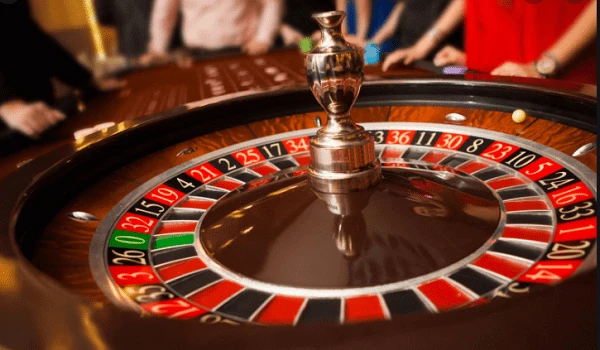
In ancient China, around 2300 BC, gambling was institutionalized with the creation of games like ‘Keno,’ which used a betting system based on drawn numbers. This early form of gaming set the stage for organized gambling practices in various cultures. The Romans further advanced gambling by introducing betting on gladiatorial games, creating a societal structure that included both wealthy patrons and common citizens engaging in betting. This evolution highlights how gambling served as both a social equalizer and a source of revenue for rulers and empires.
The religious undertones of gambling are evident in many cultures, where rituals and games were believed to appease deities or predict the future. Ancient Egyptians, for instance, also engaged in betting on the outcomes of various events. These early forms of gambling laid the foundation for the legal and cultural frameworks surrounding games of chance that we see in the modern world today.
The Middle Ages and the Rise of Gambling Houses
The Middle Ages saw a transformation in the landscape of gambling, particularly in Europe. As societies began to stabilize, various forms of betting became more formalized, leading to the establishment of gambling houses. These establishments offered a range of games, from dice to card games, and were often frequented by the nobility. This period marked a transition from informal, ritualistic gambling to organized establishments catering to a broader audience, illustrating gambling’s growing popularity and its integration into social culture.
During this time, card games like Poker and Blackjack began to gain traction, evolving from earlier games such as ‘Triomphe’ and ‘Tarot.’ The development of these games introduced elements of skill alongside chance, making gambling more complex and enticing. The evolution of playing cards in Europe also paved the way for various gaming strategies and betting techniques, further enriching the gambling experience. This era positioned gambling not just as a vice but as a popular pastime that could generate significant wealth for both players and operators.
Regulatory frameworks also began to emerge during the Middle Ages, as governments attempted to control gambling due to its potential for addiction and societal disruption. Laws were enacted to limit gambling activities, but this often led to the creation of underground betting networks. Thus, even as authorities sought to regulate the practice, the demand for gambling continued to grow, illustrating its deep entrenchment in societal norms.
The Enlightenment and the Expansion of Gambling
The Enlightenment period brought about significant changes in gambling, particularly through the establishment of state-run lotteries and gaming clubs. This era marked the beginning of formal regulations and the introduction of taxation on gambling, demonstrating the government’s recognition of its economic potential. Lotteries became a popular means for funding public projects, further legitimizing gambling as a socially acceptable activity. This development reflected a shift in attitudes toward gambling, viewing it as a source of revenue rather than merely a vice.
The expansion of gambling during this time can also be attributed to innovations in gaming technology. The introduction of mechanical slot machines in the late 19th century revolutionized the gambling industry. These machines offered a new level of excitement and accessibility, attracting a wider audience. Their popularity led to the proliferation of casinos, especially in cities like Las Vegas, which became synonymous with glamour and high-stakes gambling.
Additionally, as gambling became more mainstream, it began to attract the interest of various social classes. With the establishment of elegant casinos, gambling evolved into a social event where individuals could enjoy dining, entertainment, and gaming in luxurious surroundings. This transformation not only changed the way gambling was perceived but also solidified its place in popular culture, contributing to the mythos surrounding casinos and their allure.
The Modern Era of Gambling
The late 20th and early 21st centuries heralded a new era of gambling characterized by technological advancements and globalization. The rise of the internet led to the creation of online casinos, offering players the opportunity to gamble from the comfort of their homes. This convenience dramatically expanded the gambling market, allowing individuals to engage in various gaming options anytime, anywhere. Online platforms introduced a new level of interaction and engagement, reshaping traditional gambling experiences.
Mobile technology further propelled the gambling industry forward, allowing players to access betting applications and casino games on their smartphones. This shift not only catered to a tech-savvy generation but also transformed the social dynamics of gambling. Gamers could now connect, compete, and share experiences in ways that were previously unimaginable, creating virtual communities centered around gaming.
Moreover, the emergence of regulatory bodies has helped to enhance the legitimacy of online gambling. Various countries have enacted laws to ensure fair play and protect consumers, fostering a safer environment for players. This acceptance of online gambling reflects a broader societal shift toward embracing technology in everyday life, further solidifying gambling as a mainstream form of entertainment.

4raBet: A Modern Gambling Platform
In today’s digital age, platforms like 4raBet represent the convergence of tradition and innovation in the gambling industry. This online platform offers a wide array of sports betting and gaming options designed to enhance the user experience. The seamless navigation and sophisticated technology enable users to place bets and enjoy games with ease, embodying the modern approach to gambling.
While 4raBet provides an impressive range of offerings, users should be aware that access may be restricted in certain regions. This limitation underscores the ongoing challenges that the gambling industry faces in terms of regulation and accessibility. Users encountering access issues are encouraged to disable any proxy services or VPNs, ensuring a smoother experience on the platform.
Ultimately, 4raBet exemplifies the evolution of gambling from ancient rituals to modern-day experiences. By blending traditional gaming elements with contemporary technology, it illustrates how far the gambling industry has come, continuing to attract enthusiasts from various walks of life while adapting to changing societal norms and technological advancements.